
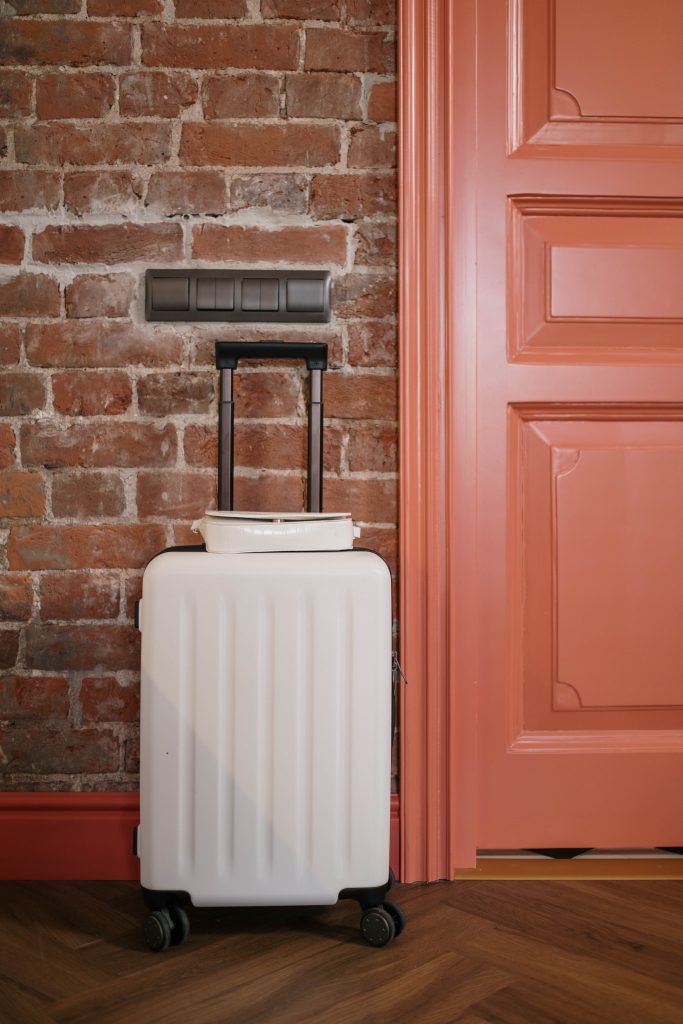
There is a particular kind of freedom that comes from traveling light — the freedom to move quickly through a train station without wrestling an oversized suitcase up a flight of stairs, to change plans on a whim, to climb the hundredth staircase of a hilltop village without dreading the walk back down. Getting there starts with the right packing list — one built for ease, not for every possible scenario.
For the solo woman traveler, packing well is not simply a matter of convenience. It is, in a very real sense, a matter of independence. Every item left at home is one less thing to manage, carry, and worry about — and every carefully chosen piece that makes the cut earns its place by working considerably harder than a wardrobe of options ever could.
Here is how to pack for a European trip the Wandersister way: light, elegant, and built entirely around ease.
The Philosophy: Capsule Over Complete
The instinct when packing for several weeks in Europe is often to prepare for every possible scenario — a different outfit for every day, options for every weather shift, a solution for every eventuality. This instinct, however well intentioned, is precisely what leads to an overstuffed suitcase and a trip spent managing luggage rather than enjoying the journey.
A capsule wardrobe, built around a tight, coordinated color palette, solves this elegantly. Seven to eight versatile pieces, all interchangeable with one another, can realistically produce two to three weeks of varied outfits — considerably more than most travelers realize is possible until they actually try it.
Wandersister Tip
Choose a base palette of two to three neutral colors, plus one or two accent pieces. Navy, cream, and black work beautifully together and photograph well in any European city, from a Parisian café to a Roman piazza.
Clothing: The Core Pieces
A well-built capsule for a European trip typically includes: two or three tops in your neutral palette, one lightweight cardigan or blazer for cooler evenings and more polished settings, one versatile dress that works equally well for daytime sightseeing and a solo dinner, one pair of well-fitted trousers, and a skirt if that suits your style. Layer these with a scarf or two — genuinely one of the most versatile items in any European packing list, equally useful as a style accent, a light layer against evening chill, or a modest covering when visiting churches and cathedrals with dress requirements.
Footwear deserves particular attention, given how much walking European travel involves. One pair of genuinely comfortable walking shoes, broken in well before departure, is non-negotiable — cobblestones, uneven medieval streets, and hours of daily walking are unforgiving toward shoes chosen for style over comfort. A second, slightly more elegant pair for evenings rounds out a practical two-shoe strategy that covers virtually every situation.
Wandersister Tip
Test your walking shoes on at least three long walks before departure, not just around the house. Blisters discovered on day one of a trip are entirely preventable with proper breaking-in beforehand.
Toiletries and Health Essentials
Airline restrictions on liquids make toiletry planning straightforward in principle, if occasionally frustrating in practice. Travel-size containers under 100ml for essentials — cleanser, moisturizer, sunscreen — keep you compliant and light. Solid alternatives, including shampoo bars and solid perfume, have become genuinely excellent in recent years and eliminate liquid restrictions almost entirely for anyone willing to make the switch.
A compact health kit deserves real thought rather than an afterthought. Pack pain relief, any daily prescription medications with a printed copy of the prescription, motion sickness tablets if relevant, and basic wound care essentials. For women managing specific health conditions, carrying a brief written summary of relevant medical history, translated if visiting a non-English-speaking country, provides genuine peace of mind in the unlikely event medical attention is needed.
Wandersister Tip
Photograph your prescriptions and pack a printed copy separately from your medications themselves. If luggage is lost or medication runs low, having documentation readily available makes replacement considerably easier at a local pharmacy.
Technology: Enough, Not Everything
The instinct to bring every device and cable “just in case” is one of the more common ways a bag becomes unnecessarily heavy. A phone, a compact charger, and a universal adapter cover the vast majority of technology needs for most trips. A portable power bank is worth its modest weight, particularly on long sightseeing days when navigation and photography can drain a phone battery considerably faster than expected.
For those who prefer photography beyond a phone camera, a compact camera rather than a full DSLR kit keeps both weight and bulk manageable, without sacrificing meaningfully on image quality for most travel purposes.
Wandersister Tip
Set up an eSIM before departure rather than relying solely on hotel and café WiFi. Services like Airalo activate in minutes and provide reliable data connectivity from the moment you land — one less thing to think about on arrival.
Documents and Money: The Non-Negotiables
Beyond a valid passport with at least six months’ validity remaining, carry printed copies of key travel documents — accommodation confirmations, travel insurance details, and your itinerary — separate from your phone, in case of a dead battery or lost device at an inconvenient moment.
For money, two cards from different networks, kept in separate locations, provide a genuine safety net should one be lost, stolen, or simply declined unexpectedly. A small amount of local currency, ideally withdrawn upon arrival rather than exchanged at inflated airport rates, covers the early hours before you’ve had a chance to properly orient yourself.
Wandersister Tip
Keep a small emergency reserve — a single note, tucked in a separate compartment from your main wallet — as a genuine last resort. It is a small habit that has saved countless solo travelers from real difficulty.
The Bag Itself
A single well-chosen carry-on suitcase, rather than a larger checked bag, remains the gold standard for European travel specifically because it eliminates baggage claim entirely, moves easily on cobblestones and up narrow guesthouse staircases, and imposes a natural discipline on what actually makes the final cut.
For daily use, a structured crossbody bag with a zip closure serves double duty as both a practical daytime carry and a genuine safety consideration, keeping essentials close and visible rather than swinging loosely from a shoulder in crowded areas.
What to Leave Behind
Just as important as what to pack is what to deliberately leave at home. Multiple pairs of shoes beyond the essential two, a full-size hairdryer (most European accommodations provide one), an excessive skincare routine beyond genuine essentials, and a “just in case” outfit for every conceivable scenario are among the most common sources of unnecessary bulk.
The discipline of packing light is, in many ways, its own small act of confidence — a quiet trust that you will have exactly what you need, and that anything genuinely missing can be found and purchased with ease once you arrive.
Final Thoughts
A well-packed bag disappears from your attention almost entirely once a trip begins — which is precisely the point. The energy you save by not managing an overstuffed suitcase, not second-guessing outfit choices each morning, not struggling up another flight of stairs with too much luggage, becomes energy available instead for the parts of travel that actually matter: the conversation over coffee, the unplanned detour down a beautiful side street, the quiet confidence of moving through a new city exactly as light and free as you feel inside.
Ready to plan your next European adventure? Browse the Wandersister destination guides for inspiration, or download the free Companion Vetting Toolkit at wandersister.com to start planning with a Travel Sister by your side.
For the bigger picture, see our complete guide to solo travel for women over 50. Wherever you go, sort your travel insurance for women over 50 before you leave.
When you’re ready to plan it — and to swap notes with other women 50+ who’ve done it or are dreaming of it — come inside the Wandersister Circle, our private space for independent women who travel solo. It’s free to step inside, and the solo female traveler over 50 will find good company waiting.