
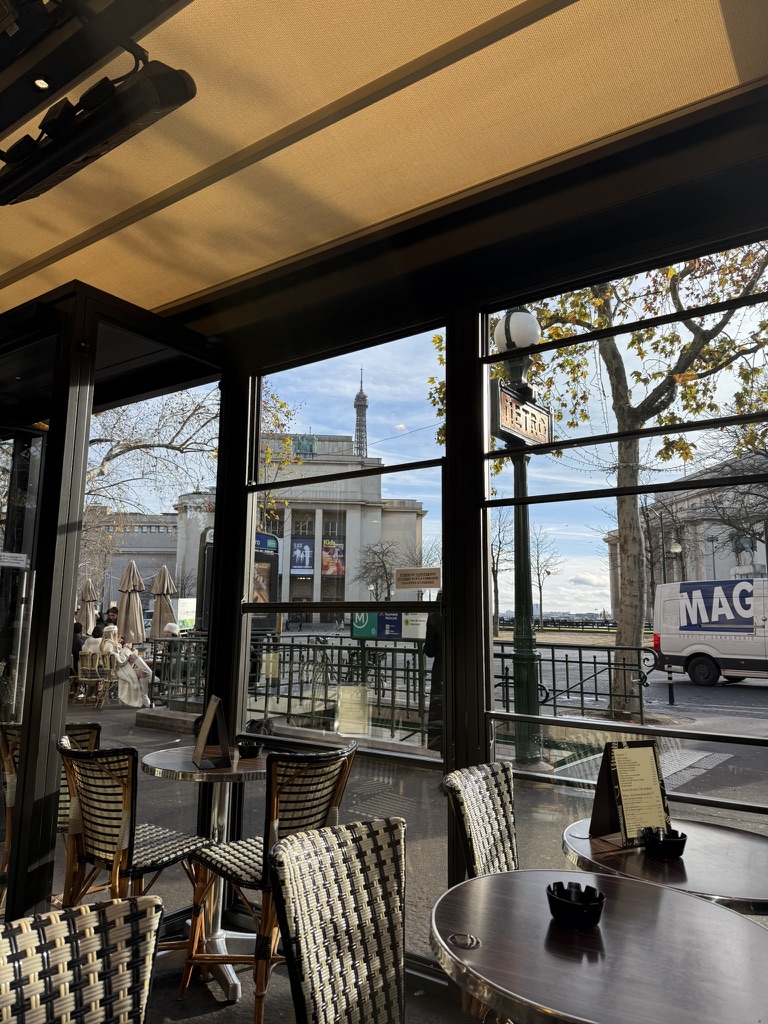
For many women, the single most intimidating part of solo travel isn’t the flight, the navigation, or the unfamiliar language. It’s dinner. Specifically, it’s the prospect of walking into a restaurant alone, being seen to be alone, and sitting through a meal with no one across the table — an experience that, in anticipation, can feel exposed in a way that few other parts of travel do.
And yet to eat alone in Europe—when done with a little intention—becomes one of the quiet pleasures of solo travel rather than something to endure. Here is how to move from dreading it to genuinely looking forward to it.
Why the Fear Is Real — and Why It Fades
The discomfort of eating alone is almost entirely social, not practical. It stems from an imagined audience — the sense that other diners are noticing, wondering, perhaps pitying the woman at the table for one. This feeling is genuine, and dismissing it as irrational rarely helps.
What does help is understanding two things. First, that imagined audience is almost entirely fictional. Other diners, absorbed in their own meals and conversations, are paying you far less attention than the mind insists. Second, and more importantly, the discomfort fades with repetition faster than almost any other travel fear. The first solo dinner may feel like an act of courage. By the third or fourth, it begins to feel like a genuine pleasure — a rare hour of unhurried attention, entirely your own.
Choose the Right First Restaurant
Not every restaurant is equally easy to dine in alone, particularly for a first attempt, and choosing well makes an enormous difference. Look for places with counter or bar seating, which is designed for solo diners and removes the visual isolation of a table for one entirely. Wine bars, tapas bars, and casual bistros with counter service are ideal early choices.
Cafés and lunch spots are gentler than formal dinners for building confidence — the atmosphere is more relaxed, solo diners are entirely expected, and the stakes feel lower. And restaurants with outdoor terrace seating offer the pleasant distraction of watching the street, which eases the sense of exposure considerably compared to a quiet interior dining room.
Wandersister Tip
For your first solo dinner in a new city, book an early reservation. Arriving at opening time, before the restaurant fills, means a calmer room, more attentive service, and far less of the crowded, coupled-up atmosphere that can make a solo diner feel conspicuous at peak hours.
Bring a Companion That Isn’t a Person
There is no rule that says dining alone means sitting in unoccupied silence. A genuinely good book, a journal, or simply a notebook to jot down the day’s discoveries transforms a solo meal from something to get through into an hour to look forward to. Many seasoned solo travelers describe their evening meal as the highlight of the day precisely because it becomes protected time — a chance to read, reflect, or simply watch the world with a glass of wine and no obligation to anyone.
A word of honest advice, though: resist the urge to hide entirely behind your phone. A book or journal keeps you present and engaged with the experience; endless scrolling tends to signal discomfort and pull you out of the very moment you traveled so far to have. Use a companion object to enrich the meal, not to disappear from it.
Embrace the Genuine Advantages
Dining alone is not merely something to tolerate — it carries real advantages worth recognizing. You eat entirely on your own terms: the restaurant you want, at the hour you want, ordering exactly what appeals to you with no compromise or negotiation. You can linger for two hours over a single course, or eat quickly and move on, answerable to no one.
Solo diners also tend to have richer interactions with the people around them. Freed from the private bubble of a companion’s conversation, you are far more likely to exchange words with the chef across the counter, the sommelier recommending a local wine, or a fellow solo traveler at the next stool — the small, genuine connections that often become the most memorable moments of a trip.
Practical Confidence-Builders
A few concrete practices ease the early discomfort considerably. Learning a few words of the local language — a simple “a table for one, please” in French, Italian, or Spanish — carries a quiet confidence that staff notice and respond to warmly. Ordering with decisiveness rather than apology sets the tone; you are a valued guest enjoying a meal, not an inconvenience to be managed.
And perhaps most importantly, reframe the internal narrative. You are not a woman who couldn’t find someone to dine with. You are a woman enjoying an exceptional meal in a beautiful place, entirely on her own terms — which is, when you look at it clearly, a genuine privilege rather than a consolation.
The Confidence That Carries Beyond the Table
There is a reason so many women describe their first genuinely enjoyable solo dinner as a turning point in their whole relationship with independent travel. Eating alone sits at the exact intersection of the two fears solo travel tends to surface most sharply: the fear of being visibly alone, and the fear of managing an unfamiliar situation without a companion’s support. Move through it once, and something shifts — not just about dining, but about a broader, quieter confidence that carries into every other part of the journey.
The table for one, approached this way, stops being the hardest part of solo travel. It becomes one of the finest: an hour that belongs entirely to you, in a place you chose, at a pace you set, answerable to no one at all.
Ready to book the trip where you’ll finally enjoy that table for one? Browse the Wandersister destination guides for inspiration, or download the free Companion Vetting Toolkit at wandersister.com if you’d rather share some of those meals with a Travel Sister.
For the bigger picture, see our complete guide to solo travel for women over 50. Wherever you go, sort your travel insurance for women over 50 before you leave.
When you’re ready to plan it — and to swap notes with other women 50+ who’ve done it or are dreaming of it — come inside the Wandersister Circle, our private space for independent women who travel solo. It’s free to step inside, and the solo female traveler over 50 will find good company waiting.