
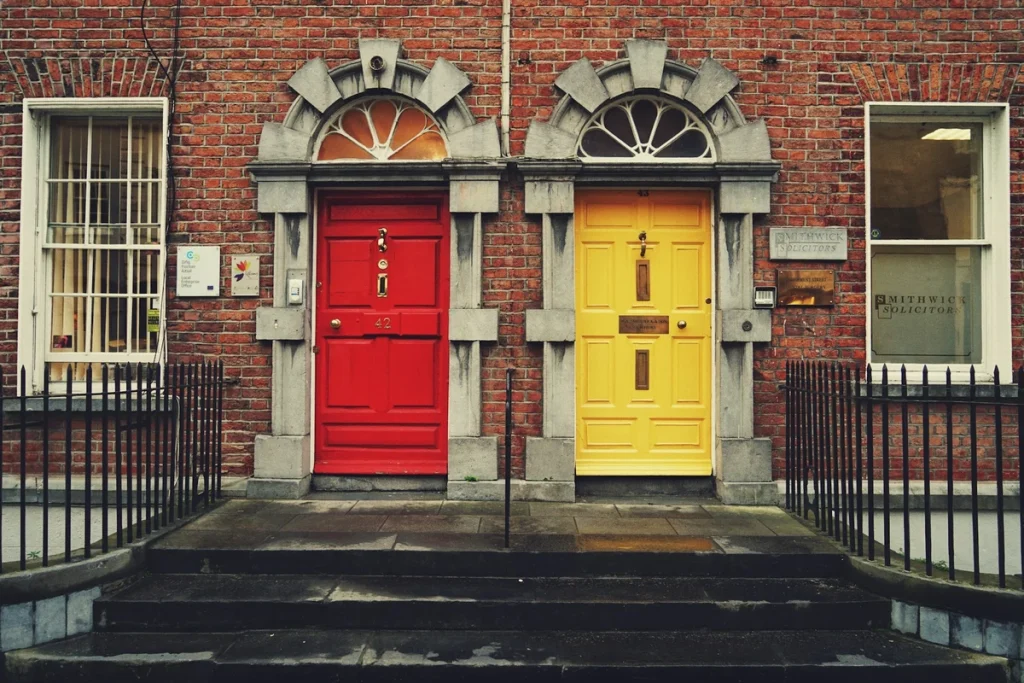
Some cities make you work to feel at home; Dublin simply pulls up a chair beside you. Ireland’s small, walkable capital is one of the friendliest places in Europe for a woman traveling alone — a city of Georgian squares and green parks, of writers and storytellers, where a stranger will happily point you the right way and mean it. This is what makes Dublin solo female travel over 50 so easy and rewarding: it’s compact, English-speaking, remarkably safe, and full of warmth, with centuries of literature, history, and music packed into a center you can cross on foot.
It is also a wonderful first solo trip abroad, or an easy reintroduction to traveling on your own. The airport is close, the language is yours, the people are kind, and the coast and countryside are a short train ride away when you want a change of scene.
This is your guide to doing it beautifully: whether it’s safe, when to go, where to stay, a ready-made itinerary with day trips, how to get around, and the pleasure of a good meal on your own.
Why Dublin Is Wonderful for Solo Female Travelers Over 50
Dublin rewards a woman who loves culture, conversation, and an easy pace. The great sights sit close together — you can walk from Trinity College to the castle to St. Stephen’s Green in an afternoon — so there’s no white-knuckling public transport or long taxi rides.
It is also a deeply literary, sociable city. This is the home of Joyce, Yeats, and Wilde, a place where bookshops and cafés spill into the streets and people genuinely talk to one another. For a woman on her own, that friendliness is a gift: you are rarely made to feel alone unless you want to be.
And it is effortless in the practical ways that matter — no language barrier, no currency puzzle beyond the euro, and a small enough scale that you quickly feel like a local. For the solo female traveler over 50, Dublin is comfort and character in equal measure.
Is Dublin Solo Female Travel Over 50 Safe?
Reassuringly, yes — Dublin is considered one of the safer capitals in Europe, and solo women routinely find it friendly and easy day and night. Serious crime against visitors is rare, and the busy, well-lit city center means you’re seldom walking through empty streets.
The main thing to watch is simple pickpocketing in crowded spots — around O’Connell Street, the Temple Bar lanes, and on the Luas tram at busy times. Keep your bag zipped and in front of you and you’ll avoid almost all of it.
Choose a central, quieter neighborhood south of the river (more below), and after dark stick to main streets or take a licensed taxi rather than wandering unfamiliar areas. Temple Bar is famously lively and loud at night — fine to stroll through by day, but most women over 50 prefer to stay somewhere calmer. As always, arrange good travel insurance before you go; more on that at the end.
The Best Time to Visit Dublin for Women Over 50
The loveliest months are late spring (May and June) and early fall (September), when the days are long, the parks are at their greenest, and the crowds are thinner than midsummer. Temperatures are mild rather than hot, so pack layers and a light rain jacket whatever the season — this is Ireland, and a passing shower is part of the charm.
July and August are the busiest and liveliest, with the warmest weather and the most events, but also the highest prices. Winter is quiet, atmospheric, and cozy, with early dark evenings made for museums, cafés, and a warm welcome indoors.
For a first trip built around comfortable sightseeing and easy day trips, aim for May, June, or September.
Where to Stay in Dublin for Women Over 50
Choose a central spot south of the River Liffey and Dublin opens up on foot. The streets around St. Stephen’s Green and Grafton Street are elegant, safe, and walkable to almost everything. Leafy Ballsbridge is refined and quiet, while Portobello and Rathmines, along the canal, are charming, local, and calm.
Avoid basing yourself in the heart of Temple Bar if you value your sleep — it’s the nightlife district and stays noisy late. A short walk away in any direction is far more restful.
Browse St. Stephen’s Green hotels on Expedia and Ballsbridge hotels on Expedia and pick a comfortable, well-reviewed spot near the center.
A Sample 3-Day Dublin Itinerary for Solo Female Travelers Over 50
Three days is perfect for Dublin’s highlights and a taste of the coast or countryside. Here is an easy, well-sequenced route.
Day 1 — Literary & Historic Dublin. Start at Trinity College and the breathtaking Old Library and Book of Kells, then wander to Dublin Castle, St. Patrick’s Cathedral, and the shops of Grafton Street, ending in St. Stephen’s Green. A Book of Kells, Dublin Castle & Christ Church guided tour brings the history to life and skips the line.
Day 2 — Museums & the Coast. Spend the morning in the excellent (and free) National Museum and National Gallery, then hop on the DART coastal train to the pretty fishing village of Howth for a cliff walk and a seafood lunch by the water.
Day 3 — A Day Trip. Ireland’s scenery is close: take a Cliffs of Moher & Galway day trip for the country’s most dramatic coastline, or an easygoing Wicklow & Glendalough day trip into the green valleys and the ancient monastic ruins just south of the city.
With more time, add the Kilmainham Gaol for a moving lesson in Irish history, or a second day trip to Malahide Castle.
Getting Around Dublin on Your Own
Getting around could not be simpler. The city center is compact and made for walking, and most of the sights are within easy reach of each other. When you’d rather ride, the Luas tram and city buses are cheap and easy with a Leap Visitor Card.
For the coast, the DART train runs right along the sea to Howth and Dun Laoghaire — one of the loveliest, easiest half-day escapes anywhere; you can book Irish rail and the DART on Omio. After dark, take a licensed taxi rather than walking unfamiliar streets.
If you’re flying in, Dublin Airport is only a short bus or taxi ride from the center — compare fares and book your flights to Dublin on Expedia early. Keep a good data connection so maps and taxis are always at hand — see our guide to staying connected abroad with an eSIM — and always carry a light rain layer.
The Joy of Dining Alone in Dublin
Dublin is an easy, comforting place to eat alone. Start your day with a proper Irish breakfast or a bowl of porridge in a warm café, and don’t miss a seafood chowder with thick slices of brown soda bread — the city’s great simple pleasure, especially by the coast in Howth.
Grafton Street and the surrounding lanes are full of welcoming cafés and tearooms where a table for one is completely normal, and an afternoon pot of tea with scones is a lovely Dublin ritual. The city’s food halls and markets are friendly and easy to graze through.
For an evening out, Dublin is famous for its live traditional music and its storytelling — sitting in on a music session or a literary evening is a warm, sociable way to spend a night on your own. If eating alone anywhere still gives you pause, our guide on how to eat alone while traveling is full of encouragement.
Practical Tips for Dublin Solo Female Travel Over 50
- Go in May, June, or September for long days, green parks, and thinner crowds; pack layers and a light rain jacket year-round.
- Stay south of the Liffey — St. Stephen’s Green, Ballsbridge, or Portobello — and away from noisy Temple Bar.
- Guard against pickpockets around O’Connell Street, Temple Bar, and on the Luas; bag zipped and in front.
- Walk the center, use a Leap Visitor Card for trams and buses, and the DART for the coast.
- Take a licensed taxi after dark rather than unfamiliar streets.
- Book Cliffs of Moher and popular tours ahead in the busy summer months.
- Sort travel insurance before you go — inexpensive peace of mind far from home. Here’s the cover we recommend: travel insurance for women over 50.
Dublin Solo Travel FAQ
Is Dublin safe to travel alone?
Yes. Dublin is one of the safer capitals in Europe and very welcoming to solo women. The main risk is petty pickpocketing in busy areas — keep your bag zipped, stick to main streets at night, and use a licensed taxi after dark.
Is Dublin safe for solo female travelers?
Very. It’s friendly, walkable, and English-speaking, so it’s an ideal first solo trip abroad. Choose a central neighborhood south of the river, and you’ll feel comfortable exploring day and night.
What is there to do in Dublin alone?
Plenty — Trinity College and the Book of Kells, Dublin Castle, St. Patrick’s Cathedral, the National Museum and Gallery (both free), the shops of Grafton Street, and St. Stephen’s Green, plus an easy DART ride to the coast at Howth.
Where should a woman over 50 stay in Dublin?
Somewhere central and quiet south of the Liffey — around St. Stephen’s Green, in elegant Ballsbridge, or leafy Portobello. Avoid the heart of Temple Bar, which is lively and loud at night.
Do you need a car in Dublin?
No. The city is compact and walkable, with trams, buses, and the DART coastal train for getting around. For farther day trips like the Cliffs of Moher, an organized tour is easier and cheaper than driving yourself.
Is Dublin Worth It for a Solo Female Traveler Over 50?
Wholeheartedly. Dublin gives you a warm, walkable, English-speaking capital packed with literature, history, and green space — and some of the friendliest people you’ll meet anywhere — all wrapped in a city small enough to feel like your own within a day. It’s one of the easiest and most rewarding first solo trips abroad there is.
For the solo female traveler over 50, Dublin proves that traveling alone can feel completely comfortable and deeply sociable at the same time. Give it three days, ride the DART to the sea, take one day trip into the countryside, and let the city’s warmth win you over.
If Ireland has been calling, let Dublin be your introduction — and read our wider guide to solo travel in Ireland to carry the trip beyond the capital, along with the confidence of solo travel for women over 50.
When you’re ready to plan it — and to find other women 50+ who’ve been, or who are going — come inside the Wandersister Circle, our private space for independent women who travel solo. It’s free to step inside.