
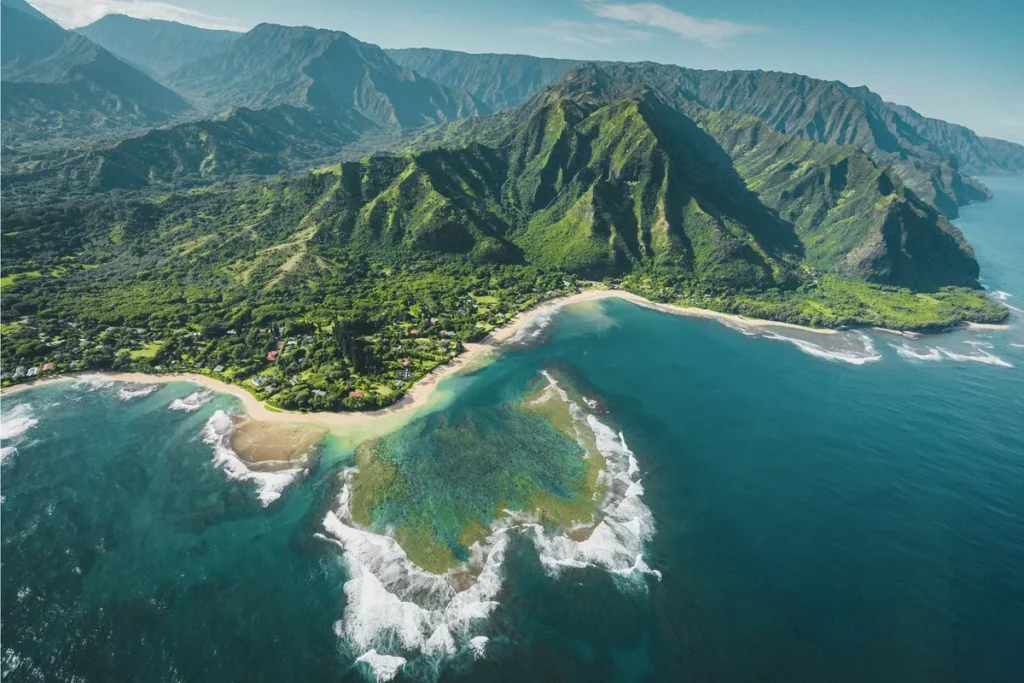
There is a particular kind of ease that settles over you in Hawaii, and it arrives fast — somewhere between the warm air on the jet bridge and the first morning you wake to the sound of the ocean. For a woman traveling on her own, the islands are one of the softest places in the world to land: safe, welcoming, easy of pace, and so beautiful that solitude feels less like being alone and more like being let in on a secret.
If you’re planning your first solo trip to the islands — or your next — this is a guide to solo travel Hawaii from a woman-over-50 point of view: whether it’s safe, which island to choose, how to get around, when to go, where to stay, and how to shape a trip you’ll be booking again before you’ve even flown home.
Why Solo Travel Hawaii Works So Well
Hawaii asks very little of a solo traveler. It’s part of the United States, so there’s no passport, no currency to convert, no language barrier — and yet it feels a world away the moment you arrive. That combination of the exotic and the effortless is rare, and it’s exactly why the islands suit a woman traveling alone for the first time.
The culture helps, too. The spirit of aloha is real and it’s everywhere — a genuine, easygoing warmth that makes a solo diner, a solo hiker, a woman reading alone on the sand feel entirely at home. You are never quite as alone here as the map suggests.
For the wider confidence that underpins any trip like this, our pillar guide to solo travel for women over 50 is a good companion piece.
Is Hawaii Safe for Solo Female Travelers Over 50?
Yes — Hawaii is one of the safest places you can travel. It has among the lowest violent-crime rates in the United States, and Honolulu is regularly named one of the safest cities in the world. A woman on her own is completely unremarkable here, whether she’s at a resort, on a trail, or at a table for one watching the sunset.
The real risks in Hawaii aren’t about people; they’re about nature and belongings. Car break-ins at trailheads and beach parking lots are the most common petty crime, so never leave anything visible in a rental. And the ocean deserves genuine respect — swim at lifeguarded beaches, read the posted flag warnings, and don’t turn your back on the surf.
Beyond that, Hawaii is as reassuring as solo travel gets. Stick to well-populated beaches and popular trails, tell someone at your hotel your plans for the day, and you’ll feel looked after.
Which Hawaiian Island Is Best for a Solo Trip?
You don’t need to see them all — each island has its own character, and for a first solo trip, choosing one (or two) beats rushing between four.
Oʻahu is the easiest place to start. It’s the most developed island, with Waikiki’s walkable beachfront, a genuine city in Honolulu, and the one island where you can manage without a rental car thanks to a reliable public bus. History, beaches, and comfort all in one place — the natural first-timer’s choice.
Maui is the crowd favorite: spectacular beaches, the drive to Hāna, whale watching in winter, and a string of lovely towns. It rewards a slower, resort-based trip.
Kauaʻi is the green, quiet, dramatic one — the Nā Pali Coast, Waimea Canyon, and a slower pace for a woman who wants nature over nightlife. The island of Hawaiʻi (the Big Island) is for the volcano and the star-filled skies.
For a first solo trip, base yourself on Oʻahu, and add Maui or Kauaʻi if you have more than a week.
Getting Around Hawaii
This is the one piece of planning that matters most. On Oʻahu, you can lean on Honolulu’s public bus and stay car-free if you’re mostly around Waikiki and the city — a real advantage for a solo traveler who’d rather not drive. From the airport, a private airport pickup takes you straight to your hotel while you find your feet.
On every other island, a rental car is essential; public transportation is limited and rideshares are pricey and scarce. Book the car well ahead, especially for Maui and Kauaʻi, where they genuinely sell out.
To move between islands you fly — short hops of 30 to 50 minutes on the inter-island carriers, usually $80 to $200 a leg. Midweek flights are noticeably cheaper, and you can compare and book them alongside your main flights through Expedia.
The Best Time to Visit Hawaii for Solo Travel
Hawaii is a year-round destination, but the sweet spots are the shoulder seasons — April to May and September through November (before Thanksgiving). You get warm, dry weather, the thinnest crowds of the year, and hotel rates well below peak.
September is arguably the best single month: the ocean is at its warmest, the summer family rush has cleared, and prices dip before the holidays. If winter is your only window, it’s still lovely — just wetter, busier, and the season for whales off Maui.
Where to Stay in Hawaii
Your hotel matters more than usual as a solo traveler — it’s your safe harbor and your company at breakfast. Here’s a characterful signature choice on each of the main first-trip islands to start you off.
On Oʻahu, The Royal Hawaiian is the iconic “Pink Palace” right on Waikiki Beach — grand, storied, and wonderfully central. On Maui, Hotel Wailea is an elegant, adults-only hillside retreat with ocean views and a calm, grown-up feel. And on Kauaʻi, Kōʻa Kea Resort is an intimate boutique hotel on the sunny south shore, the right size for a woman traveling on her own.
For a full curated list on whichever island you choose, the deeper guides inside the Circle go further.
A Sample Hawaii Itinerary for Solo Female Travelers Over 50
A week on Oʻahu with a few days on a second island is the ideal first trip. Here’s one that never feels rushed.
Days 1–2 — Waikiki, Oʻahu. Ease in: mornings on the beach, a walk up Diamond Head, and easy dinners along Waikiki where a table for one is the norm. One evening, treat yourself to a traditional Waikiki luau — hula, an island feast, and easy company under the stars.
Day 3 — A guided island day. See Oʻahu’s highlights without the driving on a full-day guided island tour — the North Shore, the lookouts, and the green interior, all in sociable company that makes a solo day feel effortless.
Day 4 — Kailua and Lanikai. Cross to the windward side for the softest sand and clearest water on the island — a slow beach day, a stroll through Kailua town, and time simply to be.
Days 5–7 — Maui or Kauaʻi. A short flight to your second island. On Maui, take the road to Hāna and a morning Molokini snorkel sail; on Kauaʻi, glide along the cliffs on a Nā Pali Coast catamaran and breathe in the green.
Optional Day 8 — a slow finish wherever you’ve landed, before the flight home.
Shorter on time? Oʻahu alone makes a complete, satisfying first trip.
Practical Tips for Solo Travel in Hawaii
- Book your rental car early for any island beyond Oʻahu — they sell out, and prices climb close to your dates.
- Arrange your Honolulu airport transfer in advance so your arrival is calm — here’s the private airport pickup we use.
- Fly between islands midweek to save, and compare the hops alongside your main flights: find flights to Hawaii.
- Respect the ocean — swim at lifeguarded beaches, mind the flag warnings, and never leave valuables in your car at a trailhead.
- Eat well on your own — from poke counters to resort lānai, Hawaii makes solo dining easy. Our guide on how to eat alone while traveling helps it feel natural.
- Visiting from overseas? Keep your phone connected the moment you land with a travel eSIM for maps and messages.
- Sort travel insurance before you go — inexpensive peace of mind far from home. Here’s the cover we recommend: travel insurance for women over 50.
Solo Travel Hawaii FAQ
Is Hawaii safe for solo female travelers over 50?
Yes — it’s among the safest places in the United States, with very low violent crime and Honolulu ranked one of the safest cities in the world. The main things to mind are ocean safety and car break-ins at trailheads, not personal safety.
Which Hawaiian island is best for a first solo trip?
Oʻahu. It’s the most developed, the easiest to navigate, and the one island where you can get by without a rental car. Add Maui or Kauaʻi if you have more than a week.
Do I need a rental car in Hawaii?
On Oʻahu, not necessarily — Honolulu’s bus covers the city and Waikiki well. On every other island a rental car is essential, so book it early.
When is the best time to visit Hawaii?
The shoulder seasons — April to May and September to November — bring warm, dry weather, fewer crowds, and lower rates. September is often the single best month.
Is Hawaii Worth It for a Solo Female Traveler Over 50?
Completely. Hawaii gives a woman traveling alone the rarest combination there is: somewhere that feels far away and utterly foreign, yet asks nothing harder of you than choosing which beach. It’s safe, it’s warm in every sense, and the aloha spirit means you’re welcomed rather than watched.
Start with one island, let the ocean set your pace, and don’t be surprised if you spend the flight home planning the next trip. Hawaii has a way of becoming a habit.
When you’re ready to plan it — and to swap notes with other women 50+ who’ve done it or are dreaming of it — come inside the Wandersister Circle, our private space for independent women who travel solo. It’s free to step inside, and the solo female traveler over 50 will find good company waiting.