
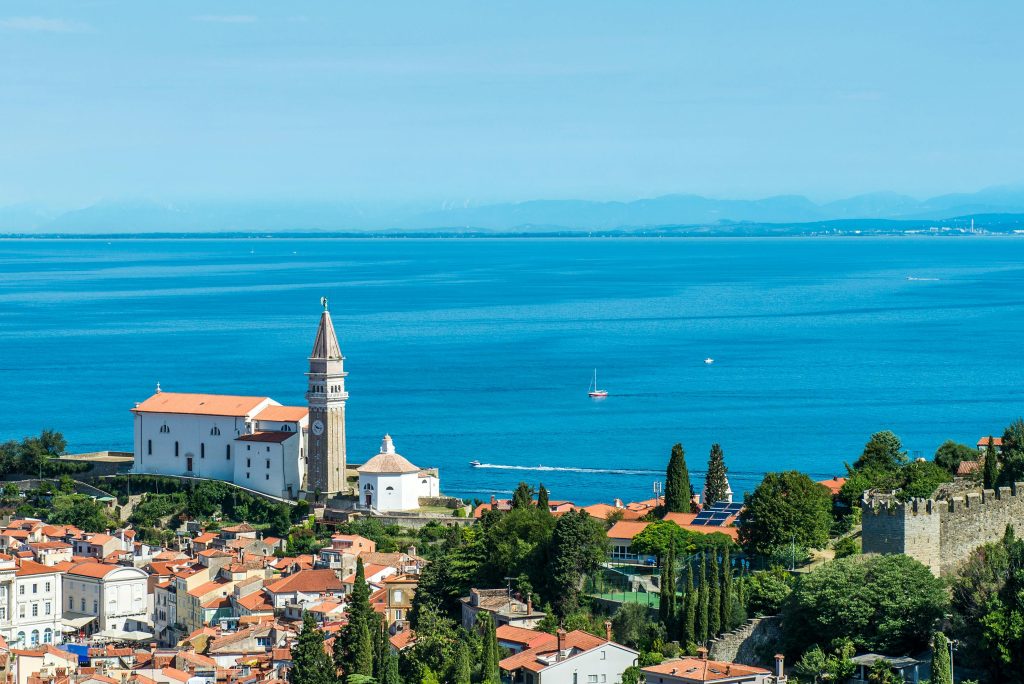
Solo female travel over 50 brings a particular moment that happens to almost every woman who takes her first trip after fifty.
She is sitting somewhere beautiful — a café terrace in Lisbon, a sun-drenched piazza in Rome, a quiet bench overlooking the sea — and she realizes something unexpected. Not that she is brave. Not that she has “done it.” But that she is, perhaps for the first time in decades, completely and utterly herself.
Nobody told her it would feel like this.
The travel industry has spent years telling women over fifty what solo travel looks like: risky, lonely, logistically complicated, or best left to younger, more adventurous types. What it has consistently failed to mention is what solo travel over fifty actually feels like from the inside. And that is a very different story.
You Will Not Feel Lonely on Your Solo Female Travel Over 50 Journey
The fear of loneliness is the number one reason women hesitate before their first solo trip. It is also, almost universally, the first fear to dissolve.
What nobody tells you is that traveling alone and feeling lonely are two entirely different experiences. When you travel solo, you are not isolated — you are available. Available to strike up a conversation with the woman reading the same book at the next table. Available to accept the café owner’s recommendation for the best local trattoria. Available to linger somewhere beautiful for three hours simply because nothing is pulling you away.
Loneliness, as most women over fifty know it, is sitting in a full room and feeling unseen. Solo travel is the opposite of that. It is moving through the world entirely on your own terms, and discovering that the world is considerably more welcoming than you expected.
Your Instincts Are Sharper Than You Think
Solo travel safety is a real consideration — and a topic Wandersister takes seriously. But what the fear-based narrative consistently underestimates is something women over fifty have in abundance: decades of finely tuned instinct.
You have spent years reading rooms, navigating difficult situations, and making judgment calls under pressure. You know when something feels off. You know how to redirect an uncomfortable conversation. You know how to project calm confidence even when you are quietly figuring things out.
That internal radar — the one you have been quietly building your entire adult life — is one of your greatest travel assets. The goal of solo travel safety is not to make you hypervigilant. It is to give you the practical framework that lets you trust that radar completely, so you can spend your energy on the parts of travel that actually matter.
Slow Travel Is Not a Compromise — It Is the Upgrade
The mainstream travel narrative is built around speed: more cities, more landmarks, more photographs. For many women over fifty, that pace was never particularly appealing — and after fifty, it becomes actively unattractive.
What nobody tells you is that slowing down is not a concession to age. It is an elevation of experience.
Spending four nights in one city instead of two means you find the café that becomes yours by day three. It means you stop navigating and start inhabiting. It means a destination reveals itself to you rather than presenting its greatest hits and moving you along.
Women who travel slowly consistently report that they remember more, feel more restored, and return home with something that rushed travel rarely produces: a genuine sense of having been somewhere, rather than simply having seen it.
This is the Wandersister philosophy of travel. Not less — more. More depth, more presence, more of the experience that actually stays with you.
Comfort Is Not Indulgence — It Is Intelligence
Budget travel culture has long suggested that discomfort is somehow virtuous — that the more you sacrifice, the more authentic your experience. This is a narrative built almost entirely around younger travelers, and it has very little to do with the way women over fifty actually want to move through the world.
Choosing a boutique hotel with excellent lighting, a comfortable bed, and a quiet atmosphere is not indulgent. It is a decision that directly affects the quality of your entire trip. A well-rested traveler makes better decisions, navigates more confidently, and experiences more joy.
Your comfort is not a luxury. It is a foundation.
This does not mean you need to spend extravagantly. It means you make deliberate choices about where your money goes — prioritizing the things that protect your energy and peace of mind, and releasing the guilt that suggests you should be doing otherwise.
You Will Surprise Yourself — Repeatedly
This is perhaps the thing nobody tells you most consistently: you will be better at this than you expected.
The first time you decipher a foreign transit system on your own, something shifts. The first time you navigate an unexpected flight delay with calm composure, something solidifies. The first time you sit alone at a beautiful restaurant, order exactly what you want, and realize you are completely content — something opens.
Solo travel over fifty is not about proving anything. It is about discovering, often with considerable surprise, how capable, resourceful, and genuinely free you already are.
Every woman who has taken that first trip will tell you the same thing: she only wishes she had done it sooner.
The Practical Truth About Solo Female Travel Over 50
Solo travel after fifty comes with real advantages that younger travelers simply do not have. You have more financial stability, more flexibility, more clarity about what you actually want from an experience, and — crucially — more patience. You are not trying to cram everything into two weeks of annual leave. You are not traveling to impress anyone. You are traveling for yourself, which is the only reason travel ever really works.
You also, increasingly, have community. The solo female travel movement for women over fifty is one of the fastest-growing travel demographics in the world — and platforms like Wandersister exist specifically to support it. Whether you want to travel completely independently or find a like-minded companion to share a villa in Portugal, the infrastructure for doing this well has never been stronger.
Where Do You Start?
If you are considering your first solo trip — or your tenth — the most useful thing you can do is start simply.
Choose a destination that feels welcoming rather than overwhelming. Europe’s classic cities — Lisbon, Paris, Rome, Barcelona — are well-connected, safe, walkable, and endlessly rich in the kind of slow, sensory experience that solo travel does best.
Give yourself more time than you think you need. Build in rest. Choose accommodation that makes you feel safe and comfortable. Trust your instincts when something feels off — and trust them equally when something feels exactly right.
And know that the moment you sit down somewhere beautiful, completely alone, and realize you are exactly where you are supposed to be — that moment is coming. Nobody can tell you precisely when. But it is coming.
Ready to take the first step? Download the free Wandersister Companion Vetting Toolkit at wandersister.com — and join a growing community of independent women over fifty who are exploring the world on their own terms.
For the bigger picture, see our complete guide to solo travel for women over 50. Wherever you go, sort your travel insurance for women over 50 before you leave.
When you’re ready to plan it — and to swap notes with other women 50+ who’ve done it or are dreaming of it — come inside the Wandersister Circle, our private space for independent women who travel solo. It’s free to step inside, and the solo female traveler over 50 will find good company waiting.