
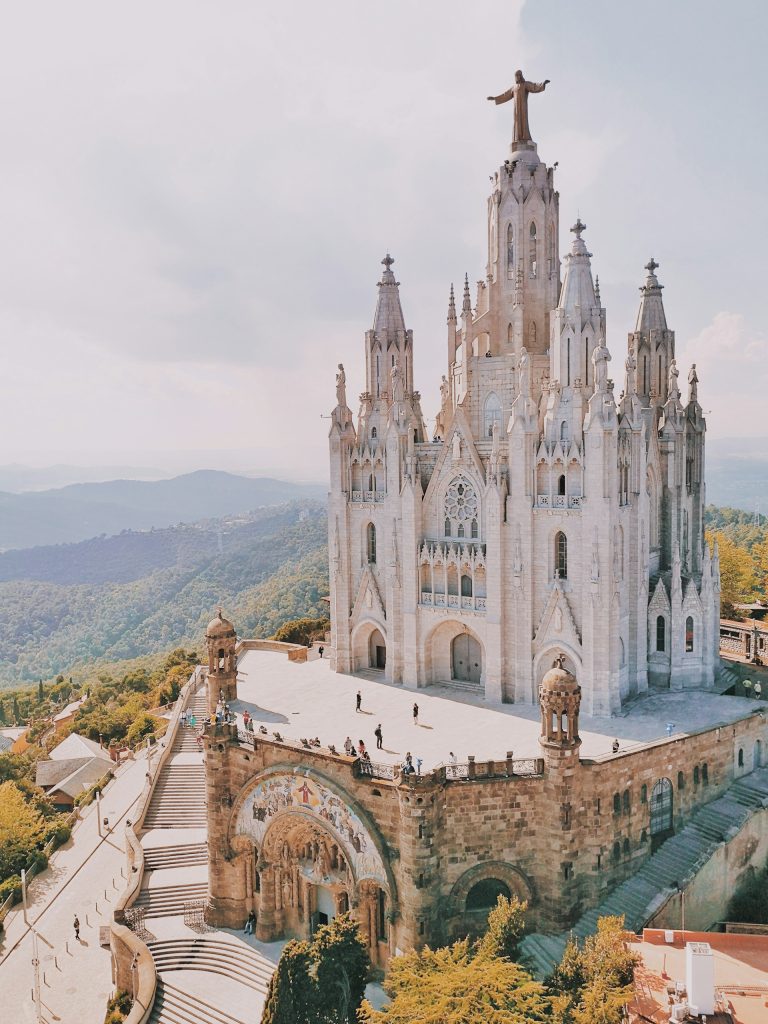
Few cities reward an independent journey quite as generously as Spain’s cultural jewel. When you’re planning Barcelona solo travel over 50, the experience is defined by architectural wonder, the ease of a Mediterranean beach, a food culture built around small plates, and a late, warm rhythm of life that seems designed for savoring rather than rushing. For a woman traveling solo, it is a city that gives back exactly as much as she brings to it.
Barcelona is also a city of real energy, and experiencing it well comes down to knowing where to base yourself, when to see the famous sights, and how to move through it with the easy confidence the city rewards. Here is how to make it yours.
Why Barcelona is Perfect for Solo Female Travelers
Barcelona’s appeal begins with its walkability and its warmth. The city is compact enough that much of it unfolds on foot, its Mediterranean climate means long, pleasant days outdoors for most of the year, and its café and tapas culture makes solo dining not just easy but genuinely enjoyable — bar seating and small-plate ordering are built into the very way people eat here.
It is also a reassuring place to arrive alone. The main thing worth taking seriously is petty theft: pickpocketing in crowded tourist spots and on public transport is the one genuine caution, and it is easily managed with a secure crossbody bag and ordinary awareness. Beyond that, Barcelona is a city where you can wander, dine, and explore at your own pace, among travelers of every kind from all over the world.
English is widely spoken in tourist areas, and a few words of Spanish — or better still, a phrase or two of Catalan — are warmly received and open doors, as they do anywhere.
The travel essentials every solo woman over 50 should have before she goes: packing, staying safe, money, eating alone, and where to base yourself. Add your details and it is yours, free.
No spam, ever.
Where to Stay in Barcelona: Safe Neighborhoods for Women Over 50
Choosing the right neighborhood shapes the whole character of a Barcelona visit. The Eixample, with its elegant grid of wide boulevards, modernist architecture, and calm residential evenings, makes an ideal base — central and beautifully walkable, yet quieter after dark than the more tourist-dense districts, and within strolling distance of Gaudí’s Casa Batlló and La Pedrera. Gràcia, a former village absorbed into the city, keeps a genuine neighborhood feel, with leafy plazas, independent shops, and an unhurried, local atmosphere that many solo travelers come to love. The Gothic Quarter (Barri Gòtic) offers medieval atmosphere in abundance, though its central lanes grow busy and its nights can be lively, while Barceloneta puts you by the sea, if more touristic and less characterful than the city’s interior. For a closer look at each area and where to book in it, see our full guide to where to stay in Barcelona for women over 50.
Wandersister Tip: Base yourself in the Eixample or Gràcia rather than directly in the Gothic Quarter. You gain calmer evenings and a more residential feel, while remaining an easy walk or short metro ride from everything the historic center offers by day.
For where to actually lay your head, here are four stays worth booking, each in a lovely corner of the city:
- Hotel Neri — a refined retreat hidden in the heart of the Gothic Quarter, all honeyed stone and candlelit calm, moments from the cathedral.
- The Barcelona EDITION — sleek, contemporary, and beautifully located in buzzy El Born, with a rooftop that looks out over the old city.
- Cotton House Hotel — a graceful Autograph Collection hotel in a restored 19th-century mansion right in the Eixample, the very neighborhood that makes the best solo base.
- And if you’d like to spoil yourself, Hotel Casa Fuster — a modernist landmark where Gràcia meets Passeig de Gràcia, all marble, live jazz, and a rooftop pool. This is the one to treat yourself to.
If none of those is quite right for your dates, you can always browse more Barcelona hotels on Expedia and find the spot that fits you best.
3 Days in Barcelona: A Short Solo Itinerary
If you have three days, here is an easy rhythm that balances the icons with time to simply be in the city.
Day 1 — Gaudí’s Barcelona. Begin at the Sagrada Família at opening time — a timed-entry skip-the-line ticket booked in advance saves you the queue around the block — then make your way up to Park Güell for its mosaics and views. Spend the late afternoon wandering Passeig de Gràcia past Casa Batlló and La Pedrera, with a long café stop whenever the mood takes you.
Day 2 — The old city and the sea. Lose a slow morning in the Gothic Quarter and El Born — the cathedral, the hidden courtyards, the Picasso Museum — then drift down to Barceloneta for a seafront lunch and an afternoon by the Mediterranean.
Day 3 — Markets, views, and a day trip. Start among the stalls of a neighborhood market, ride up to the gardens and viewpoints of Montjuïc, or take the train out to Montserrat for the mountains and the monastery. Finish with tapas in Gràcia, unhurried and well-earned.
Wandersister Tip: Book the big Gaudí sights online in advance and go at opening time. The difference between a 9am visit and a noon one is the difference between wonder and endurance. To cover both icons in easy company, this guided Sagrada Família and Park Güell visit handles the logistics in a half day.
Dining Alone: Barcelona’s Tapas Culture for Solo Diners
Few cities suit the solo diner as naturally as Barcelona. In Spain, dinner is a late-night art form that doesn’t even begin until nine or ten. If the wait feels strange at first, learning to eat alone in Europe with confidence is the key that unlocks the city’s evening energy. Tapas culture is built around exactly this kind of eating: bar seating is standard and expected, ordering a few small plates at a time is the norm, and moving between bars is low-pressure and easy.
The Mercat de la Boqueria just off La Rambla is a vibrant, if busy, introduction to the city’s produce and prepared foods — though the smaller Mercat de Santa Caterina or Mercat de la Concepció make for a calmer, more local lunch. In the evening, the tapas bars of El Born and Gràcia reward you with warmth, excellent food, and the easy possibility of a word with the bartender or whoever’s on the next stool.
The Best Day Trips from Barcelona
For a longer stay, Barcelona is a wonderful base for day trips that take little planning. The monastery of Montserrat, set among jagged mountain peaks, is reachable by train and cable car and offers both quiet significance and extraordinary scenery. The coastal town of Sitges, a short train south, has beaches, a pretty old town, and a relaxed air. And the Roman ruins of Tarragona, a little further down the coast, reward anyone drawn to history with impressive ancient sites in a seaside setting.
The easiest way to reach the mountains is this small-group Montserrat day trip by cogwheel train and cable car, with the logistics handled for you.
Getting Into the City and Around
Barcelona–El Prat sits about twenty minutes from the center, well connected by the Aerobús and the metro. After a travel day, though, there’s a real pleasure in being met: a pre-booked private airport transfer takes you from arrivals straight to your hotel door, with no taxi line and no working out the ticket machine with your bags in tow.
Once you’re settled, the metro is clean, efficient, and simple, connecting every major sight and neighborhood — though the walkable center means you’ll likely stroll far more than you ride. A rechargeable travel card or contactless payment handles transit easily. Card payment is accepted almost everywhere, with a little cash useful for smaller establishments and markets.
The Best Time to Visit Barcelona
Barcelona is at its most crowded and expensive in July and August, when the heat is genuinely intense. Late spring — May and June — and early autumn — September and October — strike the ideal balance: warm, pleasant days, thinner crowds, and comfortable conditions for walking the city. Even winter is mild by European standards, with the quietest streets, the lowest prices, and many sights a pleasure to visit without the peak-season crush.
Practical Tips for Barcelona Solo Travel
A few things that make the trip smoother:
- Stay connected from the moment you land. An eSIM means maps, transit apps, and messages work the instant you step off the plane, with no hunting for a SIM card or paying roaming fees.
- Keep valuables secure, particularly on La Rambla, in crowded squares, and on the metro. A zipped crossbody worn in front is all it takes; petty theft is the one real caution here, and it is easily managed.
- Pack light and smart. A good four-wheel carry-on earns its keep on Barcelona’s metro stairs and uneven medieval lanes — the kind of trip a reliable hard-shell suitcase is made for.
- Sort your cover before you go. One simple piece of travel insurance is worth having in your back pocket, whatever the trip.
Frequently Asked Questions
Is Barcelona safe for solo female travelers over 50?
Yes. Barcelona is a welcoming, walkable city where women travel solo comfortably all year. The one genuine caution is petty theft — pickpocketing in crowded tourist areas and on public transport — which is easily managed with a secure crossbody bag and ordinary awareness. Violent crime against travelers is rare, and the city’s café and tapas culture makes moving around alone feel natural.
What is the best area to stay in Barcelona for a solo woman?
The Eixample and Gràcia are the two best bases. The Eixample is central, elegant, and quiet after dark, within walking distance of the main Gaudí sights; Gràcia keeps a local, village-like feel with leafy plazas and independent shops. Both are calmer in the evening than the busier Gothic Quarter, while staying an easy walk or short metro ride from the historic center.
How many days do you need in Barcelona?
Three full days is the sweet spot for a first visit — enough for the Gaudí icons, the old city and the sea, and a market morning or a day trip, without rushing. With more time, Barcelona makes a comfortable base for day trips to Montserrat, Sitges, or Tarragona.
Is Barcelona easy to get around alone?
Very. The center is compact and walkable, and the metro is clean, efficient, and simple, with a rechargeable card or contactless payment. Many visitors walk far more than they ride. From the airport, the Aerobús and metro are straightforward, or a pre-booked private transfer takes you straight to your hotel after a travel day.
When is the best time to visit Barcelona?
Late spring (May–June) and early autumn (September–October) are ideal: warm, pleasant, and far less crowded than peak summer. July and August are hot and busy. Winter is mild, quiet, and the best value of the year.
Why Barcelona Belongs on Your Solo Travel Wishlist
Barcelona offers a combination few cities can match: genuine architectural wonder, a Mediterranean beach, exceptional food built around the pleasure of solo-friendly dining, and a warm, outdoor rhythm of life that rewards anyone willing to slow down and savor it. For a woman over fifty seeking a city that is beautiful, walkable, deeply rewarding, and genuinely welcoming to the traveler exploring it alone, Barcelona gives back as generously as you meet it.
Planning the rest of your trip? See our guides to the best European cities for solo women over 50 and Spain for solo women over 50, and the bigger picture in solo travel for women over 50. And sort your travel insurance for women over 50 before you go. If you’d like to see how Barcelona fits into a longer journey, our 10-day Spain itinerary links it with Madrid and Seville by high-speed train.
Heading to Seville as well? Our guide to where to stay in Seville for women over 50 breaks down the best neighborhoods and the loveliest hotel to book in each.
When you’re ready to plan it — and to swap notes with other women 50+ who’ve done it or are dreaming of it — come inside the Wandersister Circle, our private space for independent women who travel solo. It’s free to step inside, and the solo female traveler over 50 will find good company waiting.