
Craving a full reset? Iceland’s geothermal lagoons are a natural first step toward a solo wellness retreat over 50.
Some countries you visit for comfort; Iceland you visit to feel brave — and to discover how safe being brave can be. This is the country that tops the Global Peace Index year after year, where the danger is never other people but the weather, the waves, and the sheer wild scale of the place. For a woman over 50 who wants a real adventure without a knot of worry in her stomach, it is close to perfect: glaciers and volcanoes and the Northern Lights on one side, and on the other, streets so safe you’ll walk Reykjavík alone at midnight without a thought.
This is your complete guide to Iceland solo female travel over 50 — where to go, when to travel, what it costs, how to get around without white-knuckling an icy road, and how to see the aurora — written for the woman who wants the big adventure done beautifully and calmly.
Is Iceland Solo Female Travel Over 50 Safe?
Yes — Iceland is, by most measures, the single safest country in the world for a woman traveling alone, and it has ranked first on the Global Peace Index every year since 2008. Violent crime is almost unheard of, street harassment is rare, and locals are matter-of-fact and helpful. Walking back to your hotel late in Reykjavík is genuinely comfortable, and you’ll quickly stop thinking about the kind of safety that occupies you elsewhere.
Here, safety is about nature, not people. The real risks are the fast-changing weather, sneaker waves on the black-sand beaches (never turn your back on the ocean at Reynisfjara), glacial rivers, and icy roads in winter. None of it is frightening if you respect it: check the forecast, download the free SafeTravel.is alerts, dress for the wind, and don’t take chances near the water or on ice. If you like to weigh a country’s safety before you book, our guide to the safest countries for solo female travelers puts Iceland exactly where it belongs — at the top.
The honest answer to “is it safe to travel to Iceland alone?” is a resounding yes — but the thing to respect here is nature, not people. Iceland’s real risks are the weather and the roads: fast-changing storms, slippery winter driving, glacial rivers, and the “sneaker waves” that can rush up a black-sand beach without warning.
None of it should worry you; it simply asks for good sense. Check the weather at vedur.is and road conditions at road.is each morning, keep well back from the surf at Reynisfjara, and in deep winter let a guide handle the driving. Do that, and Iceland is as safe as solo travel gets.
When Is the Best Time to Visit Iceland (and See the Northern Lights)?
It depends on what you want, because Iceland is two different countries by season.
Summer (June–August) is the most forgiving and the easiest for a first solo trip: near-endless daylight (the midnight sun), mild temperatures, open roads, and every tour running. You won’t see the aurora — the sky never fully darkens — but you’ll travel with the most ease.
Late September through March is Northern Lights season, when the dark returns and the sky can come alive in green and violet. September is the sweet spot if the aurora is your dream: it’s dark enough for lights from late in the month, yet milder and easier than deep winter. Full winter (November–February) is the most dramatic — ice caves, snow, and the strongest aurora odds — but the days are very short and the roads demand care, so it’s best paired with guided tours rather than solo driving.
For the easiest balance of weather, cost, and crowds, aim for May, early June, September, or October. For timing, forecasts, and where to see them, read our full guide to the Northern Lights in Iceland.
Where to Stay in Iceland as a Solo Woman Over 50
For most first trips, base yourself in Reykjavík and take day trips out — it’s walkable, safe, and full of life, and it saves you from driving in hard conditions.
In the city, Miðbær (the center) puts you steps from Hallgrímskirkja, Harpa Concert Hall, the museums, and the best cafés and restaurants — the easiest base of all: browse boutique hotels in central Reykjavík. For a calmer, creative feel, Grandi by the Old Harbor has become the city’s trendiest quarter, full of galleries and good food.
If you’ll venture onto the South Coast — and you should — the village of Vík makes the best overnight base for the waterfalls and black-sand beaches, though it books up early: look at hotels in Vík. A lovely room in Iceland isn’t cheap, but it buys you real comfort after a big day outdoors.
The Best Things to Do Alone in Iceland
Iceland’s pleasures are outsized, and nearly all of them are easy and sociable as guided day trips from Reykjavík:
- The Golden Circle. The classic introduction — Þingvellir National Park, the erupting Geysir, and the thundering Gullfoss waterfall. A Golden Circle day tour from Reykjavík does the driving and the story for you.
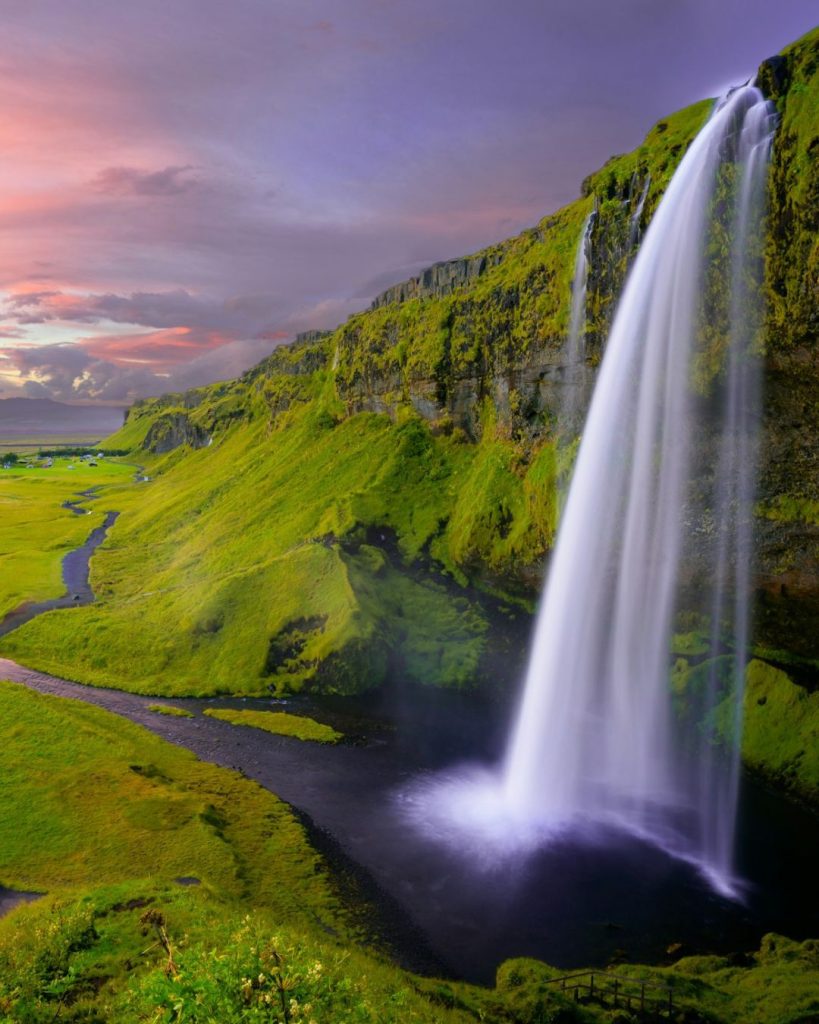
- The South Coast. Waterfalls you can walk behind (Seljalandsfoss), the mighty Skógafoss, and the black sands of Reynisfjara. A South Coast day tour is one of the great days in Iceland.
- The Northern Lights. In season, a Northern Lights tour from Reykjavík takes you away from the city lights with guides who know where the sky is clearest.
- A geothermal soak. The famous Blue Lagoon sits 20 minutes from the airport — a perfect first or last stop — while the Sky Lagoon is minutes from Reykjavík. A Blue Lagoon admission & transfer makes it effortless.
If it’s your first solo trip and the logistics feel daunting, our guide on how to plan a solo trip walks you through it step by step.
A Sample Iceland Itinerary for Solo Female Travelers Over 50
Iceland rewards two very different kinds of trip, and the right one depends on the season and how much you want to drive. Both pair beautifully with the wider confidence of solo travel for women over 50. Here they are, sized for a comfortable week.
Option A — the 7-day summer Ring Road (for the confident driver). From roughly June to August, the midnight sun keeps the famous loop relaxed rather than rushed.
- Day 1 — Reykjavík & the Golden Circle. Settle in, then loop the classic trio: Þingvellir National Park, the erupting Geysir, and the thundering Gullfoss waterfall.
- Days 2–3 — The South Coast. Waterfalls you can walk behind (Seljalandsfoss), the black-sand beach at Reynisfjara — admired from a safe distance — and the glacier lagoon at Jökulsárlón.
- Day 4 — The Eastfjords. Quiet fishing villages and some of the island’s most peaceful driving.
- Days 5–6 — The North. Lake Mývatn’s steaming earth, the Goðafoss waterfall, and whale watching from Húsavík.
- Day 7 — Back to Reykjavík via Borgarfjörður, ending with a soak before your flight home.
Option B — the 5-day Reykjavík base (no long drives, ideal in winter for the aurora). If you’d rather not drive icy roads — or you’re coming for the Northern Lights between September and April — base yourself in Reykjavík and let guided day tours do the driving.
- Day 1 — Reykjavík on foot: Hallgrímskirkja, the Harpa concert hall, the old harbor.
- Day 2 — Golden Circle on a Golden Circle small-group tour.
- Day 3 — South Coast waterfalls and black-sand beach with a guide.
- Day 4 — Northern Lights on an evening Northern Lights hunt (September–April); for the full picture, see our Northern Lights in Iceland guide.
- Day 5 — The Blue Lagoon on your way to the airport, via a Blue Lagoon admission & transfer.
Either way, fly in via Keflavík — compare fares and book your flights to Iceland early, and choose a hotel in central Reykjavík as your base.
Do You Need to Rent a Car in Iceland? Getting Around on Your Own
Not necessarily — and for many women over 50, not driving is the smarter, calmer choice. In Reykjavík you need no car at all: the city is walkable and the Strætó buses cover the rest. For everything beyond the capital, you have two good options. The easy one is to base in Reykjavík and take guided day tours — someone else drives the winter roads, you simply enjoy the scenery — which is why the tours above are the backbone of a great solo trip here.
The adventurous option is to self-drive the Ring Road (Route 1), the 1,332-km loop around the island, over 7–10 days. It’s glorious in summer and very doable solo, but leave winter driving to the guides unless you’re truly confident on ice. Whichever you choose, a good offline map and a data connection are essential — see our guide to staying connected abroad with an eSIM so you land already online, with the weather and road alerts in your pocket.
Where to Eat Alone in Iceland
Eating alone in Iceland is easy and unselfconscious. Reykjavík has a wonderful, informal food scene — soup served in a bread bowl, the famous lamb, fresh Arctic fish, and the beloved pylsur (hot dog) from a harbor stand — and a table for one, or a seat at a counter, is completely normal. Café culture is strong, so a long coffee and a kleina (a twisted doughnut) with a book is time well spent. Food is expensive here, so mix a few memorable dinners with soups, bakeries, and the excellent supermarket lunches. If dining alone still gives you a flutter, our piece on how to eat alone while traveling is full of warm, practical confidence-builders.
How Much Does a Solo Trip to Iceland Cost?
Let’s be honest: Iceland is one of the more expensive countries you can visit, and solo travelers feel it most, since there’s no one to split a room or a rental car with. A comfortable mid-range week runs roughly $500–785 a day once you add a nice hotel, meals, and a few tours — and solo travelers should budget toward the higher end. You can soften it by traveling in the value months (May, early June, September, October), basing in Reykjavík to skip the car, and choosing shared small-group tours over private guides.
That said, this is a destination that rewards the woman who would rather travel well than count every króna — a good Reykjavík hotel, the Blue Lagoon, a proper guided day on the South Coast. (If the single-supplement question nags at you, our guide on how to avoid the single supplement helps.)
For 2026, a couple of specifics help you plan: the Blue Lagoon starts around $96 for its Comfort entry (it uses dynamic pricing, so book ahead), and a Golden Circle day tour runs about $100–$180. If you rent a car, note the new 2026 kilometer-based road tax that rental companies now add.
Practical Tips for Solo Female Travel in Iceland Over 50
- Travel insurance is non-negotiable in a land of weather and wild terrain — sort it before you go. Here’s the cover we recommend for travel insurance for women over 50.
- Download SafeTravel.is for road and weather alerts, and check the forecast every morning; conditions change fast.
- Pack for wind and wet — real waterproofs, warm layers, sturdy shoes, and a swimsuit for the lagoons, whatever the season. Our solo female traveler’s packing list for Europe covers the essentials.
- Respect the ocean and the ice — stay well back from sneaker waves at black-sand beaches and off closed trails and glaciers unless you’re with a guide.
- Cards work everywhere — Iceland is nearly cashless, so you’ll rarely need króna.
- Book tours and Vík rooms ahead, especially in summer and in Northern Lights season.
Iceland Solo Travel FAQ
Is Iceland safe to travel alone?
Yes. Iceland ranks first on the Global Peace Index and is widely considered the safest country in the world for a woman traveling solo. The main risks are weather and road conditions, not crime — check vedur.is and road.is daily and respect posted warnings.
Is Iceland good for solo travel?
Exceptionally. It’s safe, nearly everyone speaks English, and it’s easy to join small-group day tours, so you’re never truly on your own unless you want to be. Reykjavík is walkable and welcoming for a woman dining and exploring alone.
Is it safe for a woman over 50 to travel to Iceland alone?
Very. Many women find their 50s the perfect age for Iceland — the comfort of a guided tour or a self-drive at your own pace, with none of the personal-safety worries of a big city. Just prepare for the outdoors: warm layers, sturdy shoes, and daily weather checks.
When is the best time to see the Northern Lights in Iceland?
On clear, dark nights from roughly September to April. Deep winter offers the longest darkness but the shortest days and toughest driving, so basing in Reykjavík and taking guided aurora tours is the easiest way to see them.
Do you need to rent a car in Iceland?
Not necessarily. In summer, a self-drive Ring Road trip is wonderful. In winter, or if you’d simply rather not drive, guided day tours from Reykjavík reach the Golden Circle, the South Coast, the aurora, and the Blue Lagoon with no driving at all.
Is Iceland Worth It for Solo Women Over 50?
Without question. Nowhere else gives a woman traveling alone so much wildness with so little worry — the safest streets on earth, and beyond them, waterfalls and glaciers and a sky that can catch fire with light. It asks a little more of you than a city break, and it gives back tenfold in the feeling of having done something genuinely bold, entirely on your own terms. It may be the safest adventure of your life, and one of the ones you’ll be proudest of.
When you’re ready to plan it — and to find other women 50+ who’ve been, or who are going — come inside the Wandersister Circle, our private space for independent women who travel solo. It’s free to step inside.