
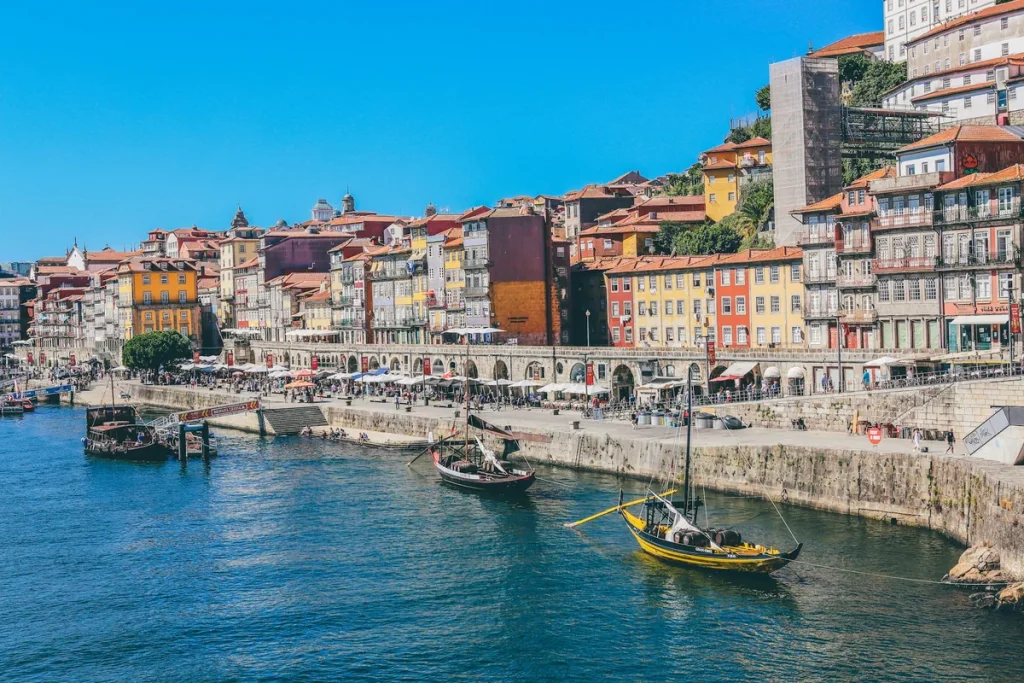
Porto is the city that surprises women who thought they already knew Portugal. It tumbles down a granite hillside to the Douro river in a stack of terracotta roofs and blue-tiled churches, and it rewards a woman traveling on her own with almost nothing to worry about and a great deal to love. It is smaller and steeper than Lisbon, warmer in welcome, and easy to hold in a few days.
If you’re planning a first solo trip — or adding a second Portuguese city to one — this is a guide to Porto solo travel for women over 50: whether it’s safe, what to see on your own, how to manage the hills, where to stay, and a simple few days you’ll want to stretch longer.
For the wider country picture, pair this with our full guide to solo travel in Portugal, and for the confidence behind any trip like this, our pillar guide to solo travel for women over 50.
Is Porto Safe for Solo Female Travelers Over 50?
Yes. Portugal is regularly ranked among the safest countries in the world, and Porto is one of its easiest cities for a woman on her own. Violent crime is rare, the streets stay sociable into the evening, and no one gives a second glance to a woman walking, dining, or lingering over coffee alone.
The everyday cautions are ordinary ones. Keep a zipped bag in front on the busy metro and in the crowds around the Ribeira waterfront, and watch your footing — Porto’s charm is also its challenge, all cobbles and steep lanes and stairways. Flat, cushioned shoes are the one thing you’ll be glad you packed.
Portugal also happens to be one of the destinations women fall for hardest — you’ll find it on our list of the safest countries for solo female travelers for exactly these reasons.
The Best Things to Do in Porto on Your Own
Porto is made for a solo traveler because so much of it is simply walking, looking, and pausing. Start along the Ribeira, the UNESCO-listed riverfront of tiled houses and arched lanes, and cross the upper deck of the Dom Luís I Bridge for the view that puts the whole city at your feet.
The tiles are half the pleasure. Step inside São Bento Station to see thousands of hand-painted azulejos telling Portugal’s history across the entrance hall, then walk up to the Clérigos Tower and the storied Livraria Lello, one of the loveliest bookshops in the world. None of it asks for company; all of it is better savored at your own pace.
Across the water in Vila Nova de Gaia are the port wine cellars, where a tasting is part of understanding the city rather than a night out — Porto gave port its name. Later, ride out to Foz do Douro, where the river meets the Atlantic and the promenade fills with locals walking off a long lunch of a rich, layered francesinha or a plate of just-fried pastéis de nata.
Getting Around Porto
Porto is walkable, but never flat, and that shapes how you move. The historic center is compact enough to cross on foot, with the Funicular dos Guindais and a handful of vintage trams to spare your knees on the steepest climbs.
For anything farther, the metro is clean, cheap, and simple, and it runs straight from the airport into the center — a reassuring, low-stress arrival on your own. A rechargeable Andante card covers metro, bus, and funicular.
Two rail stations anchor the city: São Bento for scenic regional lines and Campanhã for longer routes, including the fast link down to Lisbon. The most beautiful ride of all is the Douro line, which follows the river east into wine country — more on that below.
The Best Time to Visit Porto
The shoulder seasons — roughly May to June and September to early October — are the sweet spot. You get warm, walkable days, softer crowds at the Lello and the cellars, and better rates on the hotels worth having.
Porto is greener and cooler than the Algarve, and rain is part of its character from late fall through winter, which keeps it handsome and quiet if you don’t mind a gray sky. High summer is livelier and busier, and the São João festival in late June fills the streets with music and celebration if you’d like the city at its most exuberant.
Where to Stay in Porto
Your hotel is worth spending on as a solo traveler — a beautiful, well-placed base becomes your safe harbor and half the pleasure of the trip. Porto has a lovely range of characterful stays, and here are the ones worth booking first.
For the view of a lifetime, The Yeatman sits on the Gaia hillside with the whole tiled city and river spread below, a wine-country retreat with a spa and one of the finest tables in Portugal. In the heart of the center, Maison Albar Hotels Le Monumental Palace is a restored Belle Époque landmark on the grand Avenida dos Aliados.
For boutique character, Torel Avantgarde is an art-filled hideaway with river views above the Miragaia quarter, and for the storied grande-dame feeling, Hotel Infante Sagres has welcomed guests in opulent comfort since 1951. Any of the four makes a safe, elegant base within easy reach of the sights.
A 3-Day Porto Itinerary for Solo Female Travelers Over 50
Three days is enough to know Porto and still leave wanting more. Here’s an easy rhythm that never feels rushed.
Day 1 — The riverfront and the port. Ease in along the Ribeira, cross the Dom Luís I Bridge, and spend the afternoon on the Gaia side touring a port cellar and tasting where port was born. End with dinner overlooking the lit-up river.
Day 2 — Tiles, towers, and the sea. Morning among the azulejos of São Bento, the Clérigos Tower, and Livraria Lello, then out to Foz do Douro in the afternoon for the Atlantic promenade and a seafood lunch. A six-bridges river cruise is a restful way to see the city from the water.
Day 3 — The Douro Valley. Give the last day to the wine country (see the day trips below), whether by scenic train or guided tour.
Day Trips from Porto
The Douro Valley is the great one — terraced vineyards climbing above the river, the oldest demarcated wine region on earth. The Douro line train from São Bento to Pinhão is one of the loveliest rail journeys in Europe, hugging the water the whole way; you can plan and book that leg through Omio. Prefer to leave the logistics to someone else? A guided Douro Valley wine day trip handles the driving, the tastings, and lunch.
Closer at hand, Guimarães — the birthplace of Portugal — and the hilltop shrines of Braga make an easy combined day by train or tour, both handsome, walkable, and easy on a solo schedule.
Practical Tips for Solo Travel in Porto
- Pack flat, cushioned shoes. Porto is all hills and cobbles, and the right shoes change your whole day.
- Arrange your airport transfer in advance so your first hour is calm — a driver waiting after a long flight is worth every penny. Here’s the private airport pickup we use.
- Compare flights early, since shoulder-season fares move fast: find flights to Porto.
- Take the Douro line at least once. Even a half-day up the river and back is one of the best things you’ll do — book ahead through Omio.
- Eat early and by the water. Portuguese lunches are long and social; our guide on how to eat alone while traveling makes a table for one a pleasure.
- Keep your phone connected the moment you land with a travel eSIM for maps and messages.
- Sort travel insurance before you go — inexpensive peace of mind far from home. Here’s the cover we recommend: travel insurance for women over 50.
Porto Solo Travel FAQ
Is Porto safe for solo female travelers over 50?
Yes — Portugal is among the safest countries in the world, and Porto is one of its easiest cities for a woman alone. Streets stay sociable in the evening and no one blinks at a woman dining or exploring on her own. Watch for pickpockets in the busiest riverfront crowds, and mind the cobbles.
How many days do you need in Porto?
Three days is ideal — one for the riverfront and the port cellars, one for the tiles and the sea, and one for a Douro Valley day trip. Add a fourth if you’d like a slower pace or a second day trip.
Is Porto or Lisbon better for a solo trip?
Both are wonderful and very safe; they simply feel different. Porto is smaller, steeper, and warmer in welcome; Lisbon is grander and busier. Many women do both, linked by a quick train — see our Lisbon solo travel guide.
Do I need a car in Porto?
No. The historic center is walkable, the metro runs from the airport into town, and the best day trips — the Douro Valley, Guimarães, Braga — are all reachable by train or guided tour.
Is Porto Worth It for a Solo Female Traveler Over 50?
Without question. Porto gives a woman traveling alone everything that makes Portugal special — the safety, the warmth, the beauty, the ease — in a smaller, more soulful package that you can come to know in a few days. It asks little and gives back a great deal, and it has a way of pulling women back for a second, slower visit.
Start with three days along the river, take the train up into the wine country once, and let Porto show you how comfortable and capable you can feel on your own.
When you’re ready to plan it — and to swap notes with other women 50+ who’ve done it or are dreaming of it — come inside the Wandersister Circle, our private space for independent women who travel solo. It’s free to step inside, and the solo female traveler over 50 will find good company waiting.